
Original Honey 1kg Price in India: Complete Breakdown of What You Actually Pay for in Raw Honey Production
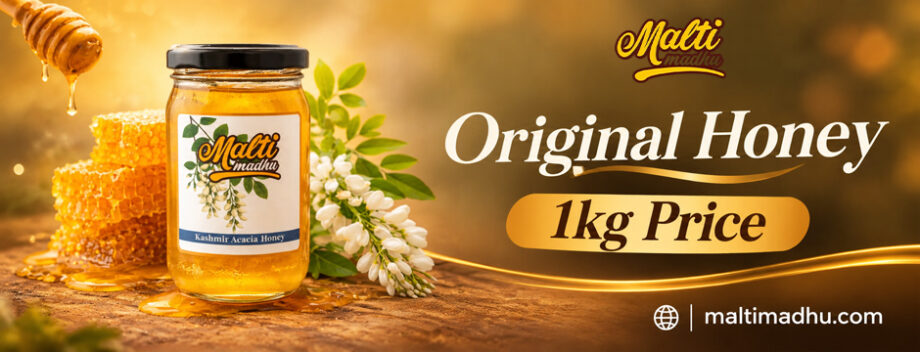
Honey has been a part of Indian households for generations. From adding sweetness to morning breakfast to enjoying a spoonful with warm milk, honey is valued for its natural taste and versatility. However, when purchasing honey, one question often comes to mind: What is the actual original honey 1kg price in India, and what determines the cost of a jar of natural, unprocessed honey?
The price of honey is not simply about how much sweetness a jar contains. The variety of flowers from which bees collect nectar, seasonal availability, harvesting practices, handling methods, and packaging all contribute to the final product. Different honey varieties also offer distinct flavours, making the buying experience more interesting.
For consumers looking for natural honey, understanding these factors can make it easier to choose a product that matches their preferences and expectations.
In this blog, we will explore the factors behind honey pricing, the importance of raw honey production, different honey varieties available in India, and what consumers should consider before purchasing a 1kg jar.
Understanding the Original Honey 1kg Price in India
The original honey 1kg price in India can vary depending on the honey variety, its seasonal availability, and the way it is collected and handled.
A jar of honey is the result of a natural process that begins when honeybees collect nectar from flowers. The nectar is carried back to the hive, where bees gradually transform it into honey. This natural process takes time and depends on the availability of flowering plants and suitable environmental conditions.
Different floral sources produce different types of honey. For example, mustard flowers produce mustard honey, while litchi flowers provide the nectar used for litchi honey.
Consequently, the price of honey may differ between varieties. Some varieties are available during particular seasons, while others depend on specific floral sources.
When comparing prices, consumers should look beyond the number printed on the jar. Understanding the honey’s variety, production approach, and packaging provides a better picture of what they are purchasing.
What Goes Into Raw Honey Production?
Raw honey production involves several natural stages. Unlike manufactured sweeteners, honey originates from the activity of honeybees and their interaction with flowering plants.
Here are some important aspects of the production process.
Nectar Collection
Honeybees visit flowering plants and collect nectar. The type of flowers available during a particular period influences the flavour and characteristics of the honey.
This is one reason why mustard, eucalyptus, litchi, jamun, and other floral varieties have their own distinctive identities.
Natural Honey Formation
After collecting nectar, bees return to their hives. Through their natural activities, they gradually transform the nectar into honey.
This process is an essential part of honey production and gives honey its natural composition.
Careful Harvesting
Harvesting is another important stage. Honey needs to be collected carefully to maintain its natural characteristics.
Traditional harvesting methods focus on handling the honey with care rather than relying on unnecessary processing.
Handling and Packaging
Once collected, honey needs appropriate handling and storage before reaching consumers. Clean packaging helps preserve the product and makes it convenient for everyday household use.
Each stage contributes to the journey from the beehive to the customer’s kitchen.
Why Is Raw and Unprocessed Honey Different?
The way honey is handled after harvesting has an important role in maintaining its natural characteristics.
Raw and unprocessed honey is valued because it is not subjected to unnecessary heating, refining, or extensive filtration. These processes can affect some of the naturally occurring components of honey.
At Malti Madhu, our approach focuses on keeping honey as close to its natural state as possible.
Our honey is:
- 100% raw and unprocessed: We do not heat or refine our honey.
- Unfiltered: We retain naturally occurring pollen and enzymes rather than removing them through heavy filtration.
- Free from additives: We do not add artificial preservatives, sugar syrups, or other unnecessary ingredients.
- Naturally harvested: We follow seasonal harvesting practices according to the availability of flowering plants.
These characteristics are important considerations when comparing different honey products.
Consumers looking for honey pure honey should pay attention to how the product is collected, handled, and packaged instead of relying only on attractive labels or promotional claims.
How Different Honey Varieties Influence the Price
One of the interesting aspects of natural honey is the variety of flavours available. Honey collected from different floral sources can have different colours, aromas, sweetness levels, and textures.
The floral origin also influences seasonal availability, which can affect the purchasing price.
Here are ten honey varieties available in the Malti Madhu collection.
Mustard Honey
Seasonal availability: Winter
Mustard honey comes from the nectar of mustard flowers. It is associated with the winter flowering season and offers a distinctive floral character.
At Malti Madhu, our mustard honey is collected from mustard fields and kept unheated, unfiltered, and unprocessed.
Eucalyptus Honey
Eucalyptus honey is another floral variety with its own characteristic taste and aroma. Its availability depends on the flowering cycle of eucalyptus plants.
It is a suitable option for consumers who enjoy exploring honey varieties beyond conventional natural honey.
Forest Honey
Forest honey offers a different experience because its floral source is associated with natural forest environments. Its characteristics can vary depending on the flowers available during harvesting.
It is one of the options for people who prefer exploring different natural honey varieties.
Jamun Honey
Jamun honey is associated with the flowering of jamun trees. It adds another distinctive floral option to the range of honey available to consumers.
Kashmir Acacia Honey
Kashmir Acacia honey comes from acacia blossoms. It is an option for consumers who enjoy exploring honey associated with a particular floral source.
Litchi Honey
Seasonal availability: Summer
Litchi honey is collected from litchi blossoms. It is known for its association with flowering orchards and the summer harvesting season.
Its seasonal nature makes it an interesting choice for people who appreciate floral honey varieties.
Natural Honey
Natural honey is a familiar choice for households looking for everyday sweetness. Its versatility makes it suitable for breakfast, beverages, and different food preparations.
Saunf Honey
Saunf honey is another distinctive option in the Malti Madhu collection. It provides consumers with an opportunity to explore honey beyond the more familiar floral varieties.
Ajwain Honey
Ajwain honey is included in our range of naturally sourced honey varieties. It offers another choice for consumers interested in exploring different floral sources.
Tulsi Honey
Tulsi honey is associated with tulsi blossoms and is another variety available for people who prefer exploring herbal and floral honey options.
Each variety has its own identity. Rather than choosing honey based entirely on price, consumers can consider the floral source, seasonal availability, and flavour they prefer.
Seasonal Honey Production and Its Effect on Availability
Honey production follows the natural flowering cycles of plants. Bees cannot collect the same quantity of nectar throughout the year because flowering patterns change with the seasons.
This is why seasonal harvesting is an important part of natural honey production.
For example, litchi honey is associated with summer, while mustard honey is associated with winter.
At Malti Madhu, we follow nature’s rhythm rather than factory schedules. Our seasonal collection reflects the honey that nature produces during different periods of the year.
Seasonality influences several aspects of honey production:
- Availability of nectar: Honey production depends on the flowering plants available to bees.
- Harvesting periods: Different honey varieties become available during different seasons.
- Flavour differences: The floral source influences the natural taste and aroma.
- Batch characteristics: Natural honey can vary in colour and consistency between batches.
Consumers should understand that variations in colour and consistency are not necessarily signs of poor quality. Natural honey can have different physical characteristics depending on its floral source and harvesting season.
What Does a 1kg Jar of Honey Actually Cost?
When researching the original honey 1kg price, it is important to understand how product prices are displayed and what each price represents.
At Malti Madhu, our honey collection displays starting prices from ₹290. The products have multiple weight options, including 250g, 500g, and 1kg, which customers can select on the individual product pages.
This distinction matters because a starting price is not automatically the price of the 1kg variant.
Before purchasing, customers should check the selected weight and the corresponding product price. This makes it easier to compare products accurately and understand the actual amount payable.
The following factors are worth considering when evaluating the price of a honey jar.
1. Honey Variety
The floral source determines the variety of honey. Mustard, litchi, eucalyptus, jamun, and acacia honey are different options, each with its own characteristics.
2. Seasonal Availability
Some varieties are available during particular flowering seasons. Seasonal harvesting means that availability can change throughout the year.
3. Harvesting and Handling
Careful collection and handling are important when maintaining the natural characteristics of honey. Unprocessed honey requires attention throughout the journey from the hive to the jar.
4. Processing Method
Whether honey is heated, filtered, refined, or blended is another important consideration. Consumers interested in raw honey may prefer products that avoid unnecessary processing.
5. Packaging
Packaging is part of the final product. A properly packed jar makes storage and everyday use convenient while protecting the honey during handling and transportation.
Therefore, comparing honey prices should involve more than checking which brand offers the lowest starting price.
How to Choose the Best Raw Honey in India
Finding the best raw honey in india requires looking at the product beyond its name and packaging.
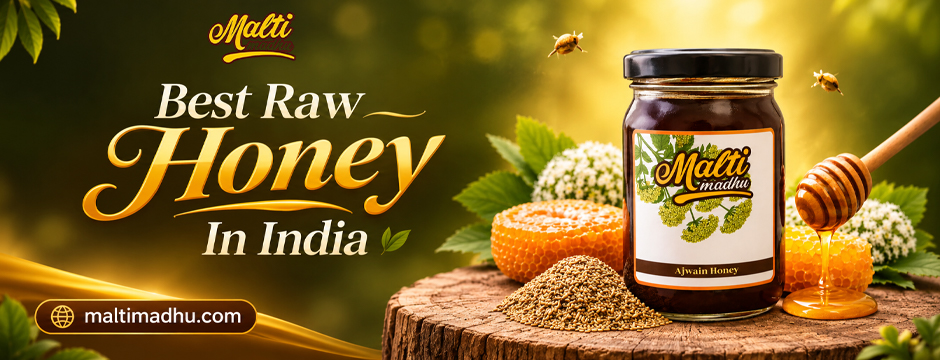
With different honey varieties available, consumers should understand what they are purchasing and how the honey has been handled.
Here are some practical points to consider.
Look for Information About Processing
Check whether the honey is heated, filtered, or refined. If you prefer raw honey, look for products that clearly explain their harvesting and handling practices.
Understand the Floral Source
A honey variety should ideally provide information about its floral origin. This helps consumers understand the differences between mustard, eucalyptus, litchi, tulsi, and other varieties.
Check the Ingredients
Look for honey without added sugar syrups, artificial flavouring, or unnecessary preservatives.
Understand Natural Crystallisation
Natural honey can crystallise over time because of its natural sugar composition and pollen content. Crystallisation does not automatically mean that honey has spoiled or become unsuitable for consumption.
If you prefer liquid honey, gently warming the jar can help restore its consistency.
Check the Packaging and Storage Instructions
Honey should be stored at room temperature in a cool, dry place. Refrigeration is not necessary.
Consider Seasonal Availability
A seasonal honey variety may not always be available. Understanding the harvesting season can help you choose the right product at the right time.
These considerations are useful whether you are purchasing honey for your family or comparing different brands online.
Is Natural Honey in Rajasthan Different From Other Honey Varieties?
People searching for Natural Honey in Rajasthan may come across different honey varieties offered by online sellers and local producers.
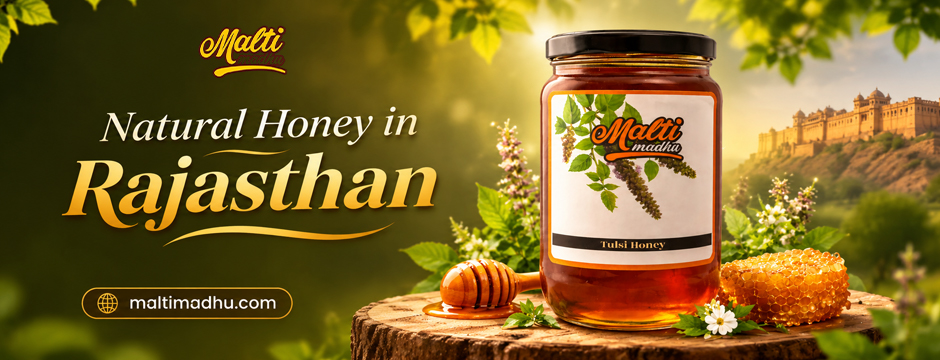
However, it is important to understand that the geographical location alone does not determine the complete character of honey.
The floral source, harvesting season, and handling method all influence the final product.
For example, mustard honey is associated with mustard flowers, while litchi honey comes from litchi blossoms. Their characteristics are linked to the nectar collected by bees rather than simply the location where the jar is sold.
Similarly, consumers purchasing honey from Rajasthan or any other Indian state should check the product’s floral origin, processing details, ingredients, and packaging.
A natural honey product should offer clarity about what is inside the jar. This is more useful than making a purchasing decision based only on geographical claims.
How to Store Raw Honey After Purchasing
Once you purchase a jar of natural honey, proper storage helps maintain its quality.
Honey is convenient to store, but a few simple practices should be followed.
- Keep the jar in a cool, dry place.
- Store it at room temperature.
- Close the lid properly after every use.
- Avoid introducing wet spoons or other contaminants into the jar.
- Do not refrigerate honey.
- If crystallisation occurs, gently warm the honey to restore its liquid consistency.
It is also worth remembering that fresh, unprocessed honey can naturally change its colour and consistency. These changes are part of the natural variation associated with honey.
Understanding these characteristics helps consumers make informed decisions instead of assuming that every jar should look and feel exactly the same.
Why Should You Look Beyond the Price When Buying Honey?
Price is an important consideration, especially when purchasing a 1kg jar for regular household consumption. However, choosing honey based entirely on affordability may not always help you find the product you actually want.
A better approach is to consider the overall quality and characteristics of the honey.
For instance, two jars may have similar prices but different floral origins, harvesting seasons, and processing methods.
Before placing an order, consider asking yourself:
- Is the honey raw and unprocessed?
- Does the brand explain its harvesting practices?
- Is the floral source clearly mentioned?
- Does the product contain unnecessary additives?
- Are different weight options available?
- Does the displayed price correspond to the weight you intend to purchase?
These questions help you understand the value of a product rather than simply comparing numbers.
Whether you prefer mustard honey, forest honey, eucalyptus honey, or natural honey, the right choice should depend on your taste preferences and expectations regarding production and handling.
Experience Natural and Unprocessed Honey with Malti Madhu
At Malti Madhu, we believe that good honey should remain as close to nature as possible. We collect our honey with care using traditional methods and follow seasonal harvesting practices rather than factory schedules. Our collection includes ten varieties: Mustard, Eucalyptus, Forest, Jamun, Kashmir Acacia, Litchi, Natural, Saunf, Ajwain, and Tulsi Honey. We never heat, filter, or blend our honey, allowing naturally occurring pollen, enzymes, nutrients, and antioxidants to remain in the product. We also avoid artificial additives, preservatives, and sugar syrups. Our aim is to bring the natural goodness of honey from our farm to your table, whether you enjoy it with breakfast, add it to your favourite beverages, or use it as a natural sweetener in everyday meals. With product prices starting from ₹290 and multiple weight options available, we make it easier to explore different honey varieties. You can also use the coupon code Malti10 to receive 10% off your total purchase.
Conclusion
Understanding the original honey 1kg price in India involves looking at several factors beyond the cost printed on a product page. Floral origin, seasonal availability, harvesting practices, processing methods, and packaging all contribute to the overall value of honey.
Raw and unprocessed honey offers consumers an opportunity to enjoy honey in a form that retains its natural characteristics. Exploring different varieties such as mustard, litchi, eucalyptus, jamun, and forest honey can also help you discover flavours that suit your preferences.
When purchasing honey, take time to understand its source, ingredients, and handling practices. A well-informed decision will help you choose honey that meets your expectations for taste, natural quality, and everyday use.
Explore the collection at Malti Madhu and bring home the goodness of naturally harvested, seasonal, and unprocessed honey.
Frequently Asked Questions
1. What is the original honey 1kg price in India?
The original honey 1kg price in India depends on the honey variety, seasonal availability, harvesting practices, and processing methods. At Malti Madhu, our honey varieties start from ₹290, with multiple weight options available. Check the individual product page for the exact 1kg price.
2. What makes raw and unprocessed honey different from regular honey?
Raw and unprocessed honey is not heated, refined, or heavily filtered. It retains naturally occurring pollen and enzymes, along with other natural components. At Malti Madhu, we follow traditional harvesting methods and avoid unnecessary processing.
3. Which honey varieties are available at Malti Madhu?
We offer ten varieties: Mustard, Eucalyptus, Forest, Jamun, Kashmir Acacia, Litchi, Natural, Saunf, Ajwain, and Tulsi Honey. Each variety comes from a different floral source and offers its own natural characteristics.
4. How can I identify the best raw honey in India?
Look for honey with clear information about its floral source, harvesting practices, ingredients, and processing methods. Choose products without added sugar syrups or unnecessary preservatives. Understanding how honey is collected and handled can help you make a better purchasing decision.
5. Does natural honey crystallise, and how should it be stored?
Yes, natural honey can crystallise over time due to its natural sugar composition and pollen content. Crystallisation does not necessarily indicate spoilage. Store honey in a tightly closed jar in a cool, dry place at room temperature. Avoid refrigeration.

